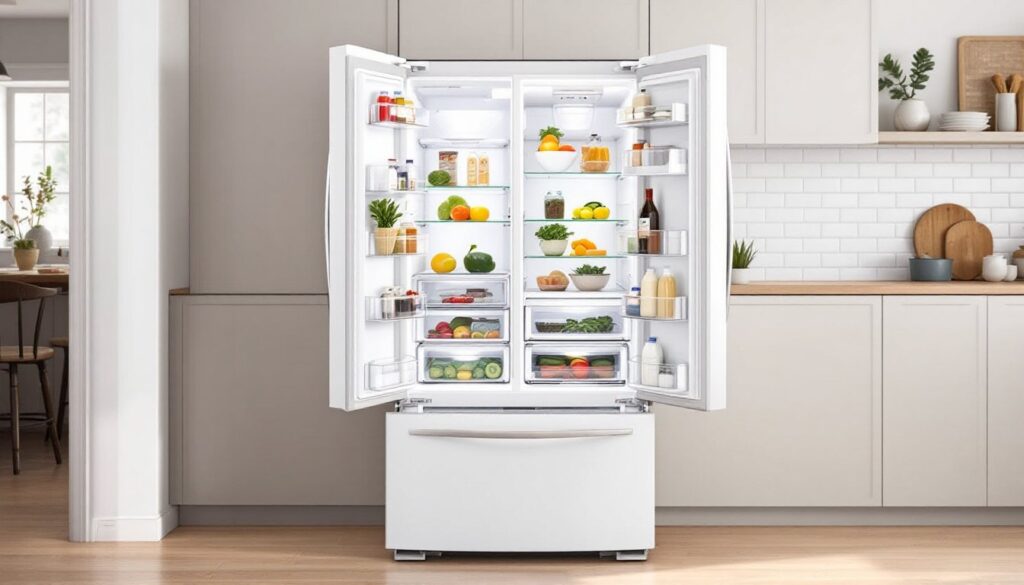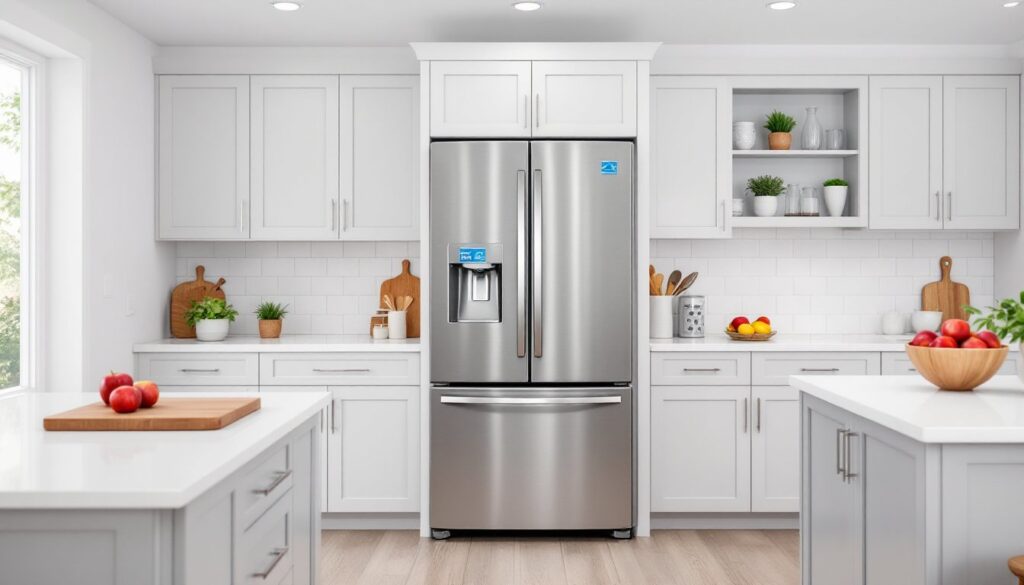

You’ve likely seen them in showrooms and neighbors’ kitchens, those sleek refrigerators with double doors up top and a freezer drawer below. French door refrigerators have become one of the most popular appliance choices for kitchen renovations and new builds, and for good reason. They combine practical storage with a modern aesthetic that fits most kitchen layouts. But what exactly makes a French door refrigerator different from traditional models, and is it the right choice for your home? This guide breaks down everything you need to know about French door refrigerators, from their core design features to how they stack up against side-by-side and top-freezer models.
Table of Contents
ToggleKey Takeaways
- A French door refrigerator features two side-by-side doors on top with a pull-out freezer drawer below, offering wide access to fresh food at eye level while using less clearance space than traditional models.
- French door refrigerators provide superior storage flexibility with wide shelves that accommodate oversized items like pizza boxes and platters, making them ideal for households that cook frequently and prep meals in bulk.
- The design is more energy-efficient than side-by-side models because opening just one door allows less cold air to escape, resulting in lower utility bills over time.
- French door refrigerators are more expensive than top-freezer or basic side-by-side units, with entry-level models starting around $1,500–$2,000 and premium versions exceeding $5,000.
- The freezer drawer configuration may be inconvenient for heavy freezer users, and counter-depth models sacrifice 3–5 cubic feet of interior capacity compared to standard-depth units.
- French door refrigerators work best for kitchens with limited clearance space, modern design preferences, and households prioritizing fresh food storage—less ideal for small households or those relying heavily on frozen foods.
Understanding the French Door Refrigerator Design
A French door refrigerator features two side-by-side doors for the fresh food compartment on top, with a pull-out freezer drawer (or drawers) at the bottom. This configuration gives you wide, unobstructed access to refrigerated items at eye level without needing as much clearance space in front of the unit.
The typical layout includes adjustable shelving in the upper compartment, door bins on both sides, and one or more freezer drawers below. Most units stand between 67 and 70 inches tall and range from 30 to 36 inches wide, fitting standard kitchen cabinet openings. Depth varies, standard-depth models protrude slightly beyond cabinets, while counter-depth versions sit flush for a built-in look but sacrifice some interior capacity.
The double-door design means each door swings on a narrower arc than a single full-width door, which matters in tight kitchens or galleys where a wide-swinging door would block traffic. When both doors open, you get a panoramic view of the entire refrigerator compartment, making it easier to spot ingredients and organize meal prep.
Key Features That Set French Door Refrigerators Apart
French door models typically come loaded with features that differentiate them from basic top-freezer or side-by-side units. Most include adjustable glass shelving that can be repositioned or removed to accommodate tall items like party platters or stacked leftovers. Door bins often have gallon-sized storage, and many units feature a middle drawer (sometimes called a deli drawer or flex zone) with adjustable temperature settings for everything from chilled beverages to deli meats.
Ice and water dispensers are common, either built into the door or located inside the refrigerator compartment to maximize exterior door space. Internal dispensers keep the front panel sleek and reduce the chance of ice buildup around the dispenser nozzle.
Energy efficiency is another selling point. Many French door refrigerators carry ENERGY STAR certification, meaning they meet EPA guidelines for energy consumption. Since the refrigerator section is accessed far more often than the freezer, having the fresh food compartment at eye level reduces the amount of cold air lost when you open the doors, especially compared to side-by-side models where the full height of the unit is exposed every time you grab milk.
Smart features are increasingly standard: Wi-Fi connectivity, interior cameras, touch-screen panels, and app-based temperature control. These aren’t essential for function, but they do add convenience if you’re building out a connected home.
Advantages of Choosing a French Door Refrigerator
The biggest practical advantage is storage flexibility. The wide shelves can hold oversized platters, sheet pans, or pizza boxes without needing to rearrange the entire fridge. Compare that to a side-by-side refrigerator, where each compartment is narrower and awkward for wide items.
Eye-level access to fresh food is a real workflow improvement, especially if you cook frequently. You’re not bending down to dig through crisper drawers or crouching to find condiments. The freezer drawer setup keeps frozen goods organized, many models have dividers or bins to separate meats, vegetables, and prepared meals.
From a design standpoint, French door refrigerators have a contemporary look that appeals to homebuyers. If you’re planning a kitchen remodel with resale in mind, this style consistently ranks well in buyer preference surveys. Many kitchen design ideas incorporate French door models as a focal point, particularly in open-concept layouts where the appliance is visible from the living area.
Another bonus: energy savings over time. Because you typically open just one door to grab items from the fridge, less cold air escapes compared to opening a full-width single door. Over months and years, that adds up to lower utility bills and less strain on the compressor.
Potential Drawbacks to Consider
No appliance is perfect, and French door refrigerators come with trade-offs. The most common complaint is the freezer drawer configuration. If you store a lot of frozen goods or regularly need to access items at the bottom of the freezer, the pull-out drawer can feel cumbersome. Some units include a second, smaller drawer, but even then, stacking and organizing frozen items takes more thought than simply tossing them onto shelves.
Counter-depth models, while sleek, sacrifice interior volume. You might lose 3 to 5 cubic feet compared to a standard-depth unit of the same exterior width. If you have a large household or do bulk grocery shopping, that reduced capacity can be a deal-breaker.
Price is another consideration. French door refrigerators typically cost more than top-freezer or basic side-by-side models. Entry-level units start around $1,500 to $2,000, while high-end models with smart features and custom panels can exceed $5,000. Factor in delivery, installation, and potential electrical work if you’re upgrading to a model with a water line for ice and water dispensers.
Maintenance and repair costs can also be higher. The dual-door mechanism, ice maker, and electronic controls introduce more components that can fail. If you’re in a rural area, finding a qualified appliance tech familiar with your model’s features may take longer and cost more than servicing a simpler unit.
Who Should Choose a French Door Refrigerator?
French door refrigerators are ideal for households that prioritize fresh food storage and cook regularly. If you buy a lot of fresh produce, prep meals in bulk, or entertain often, the wide shelving and eye-level access make meal planning and organization easier.
They’re also a smart choice for kitchens with limited clearance space. The narrow door swing works well in galley kitchens, islands with tight aisles, or layouts where a standard swing-out door would block cabinets or walkways.
If you’re renovating and want a modern, cohesive look, French door models integrate well with contemporary and transitional design styles. Many manufacturers offer panel-ready versions that accept custom cabinet fronts, blending the appliance seamlessly into cabinetry for a high-end, built-in appearance.
On the flip side, if you have a small household, don’t cook much, or rely heavily on frozen convenience foods, a top-freezer or upright freezer might serve you better. The premium you pay for a French door model won’t deliver much value if the flexible shelving and fresh food focus don’t match your usage patterns.
French Door vs. Other Refrigerator Styles
Understanding how French door refrigerators compare to other configurations helps clarify whether this style fits your needs.
Side-by-side refrigerator vs French door: A side-by-side refrigerator splits the unit vertically, with the fridge on one side and the freezer on the other. Both compartments run the full height of the unit, which makes accessing frozen items easier than a bottom-drawer setup. But, the narrow width of each compartment limits what you can store. Wide items like pizza boxes, sheet cakes, or party platters often won’t fit. French door models offer much wider shelving in the fresh food section, though the freezer access isn’t as convenient for heavy freezer users.
Top-freezer models are the most budget-friendly and energy-efficient option. The freezer sits above the fresh food compartment, which is less ergonomic since you’re bending for everyday items like milk and produce. They lack the storage flexibility and modern features of French door units but are reliable, easy to repair, and cost significantly less upfront.
Bottom-freezer refrigerators (single-door style) put the freezer drawer at the bottom and the fresh food section at eye level, similar to French door models. The key difference is a single, full-width door for the refrigerator compartment. This means you need more clearance space for the door swing, but you also get a simpler, often less expensive design. If you like the ergonomics of a French door setup but don’t need the extra features or wider shelving, a single-door bottom-freezer might be a better value.
For homeowners weighing options, many refrigerator reviews highlight food-saving features and modern conveniences as the primary reasons to choose French door models over traditional configurations.
Conclusion
French door refrigerators deliver a practical blend of storage flexibility, modern styling, and energy efficiency that suits many households. The wide, eye-level access to fresh food makes daily meal prep easier, while the bottom freezer keeps frozen items organized without sacrificing kitchen flow. Before you commit, measure your space carefully, both the appliance footprint and door clearance. Compare capacity, features, and total cost of ownership against your household’s actual usage. If the layout fits your cooking habits and your budget allows for the premium, a French door refrigerator can be a kitchen upgrade that pays off in convenience and resale value for years to come.