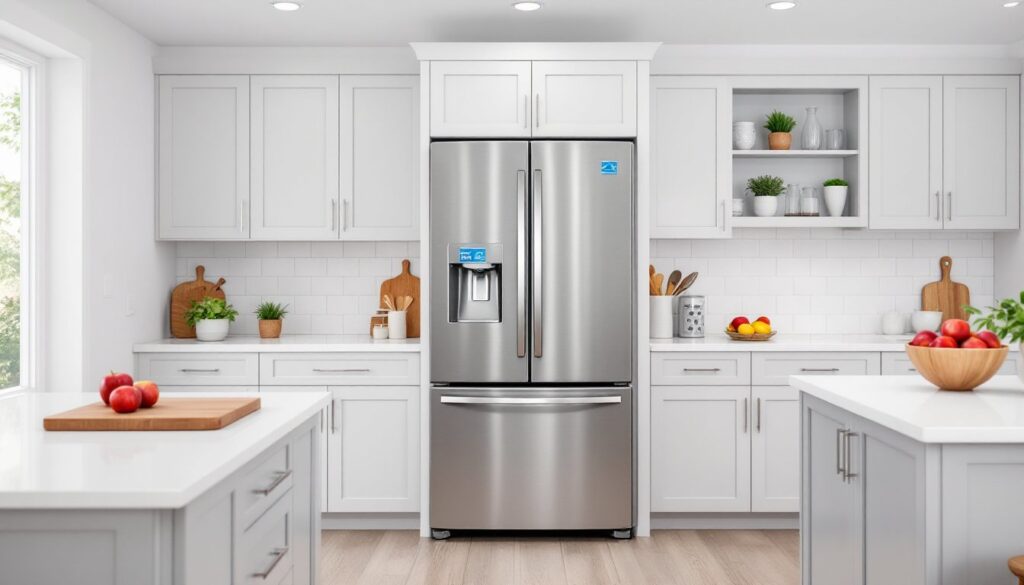

Choosing the right refrigerator isn’t just about keeping groceries cold, it’s about finding the right balance between storage layout, energy use, and kitchen aesthetics. A white bottom freezer refrigerator offers a classic, versatile look that fits everything from farmhouse kitchens to modern minimalist spaces. The bottom-mount design puts fresh food at eye level, which means you’ll spend less time bending and more time cooking. Whether you’re replacing an old fridge or designing a new kitchen from the ground up, understanding what makes a white refrigerator with a bottom freezer tick will help you pick the right model and keep it running for years.
Table of Contents
ToggleKey Takeaways
- A white refrigerator with bottom freezer combines classic aesthetics with practical ergonomics, placing fresh food at eye level to minimize bending while keeping freezer items within easy reach.
- White appliances blend seamlessly with any kitchen style, reflect light to make spaces feel larger, and are easier to maintain and touch up compared to stainless steel or matte black finishes.
- Energy Star certified models can save $50+ annually by using 15% less energy than federal minimums, making efficiency a key consideration over a 10–15 year lifespan.
- Bottom freezer refrigerators should include adjustable tempered glass shelving, humidity-controlled crisper drawers, and pullout freezer drawers to maximize storage flexibility and food longevity.
- Proper installation requires 1 inch of side and back clearance, 2 inches on top for ventilation, level positioning with a slight backward tilt, and a dedicated electrical circuit to prevent compressor strain.
- Regular maintenance—including coil cleaning twice yearly, gasket inspection monthly, and baking soda odor absorption—keeps your white refrigerator looking fresh and running efficiently for over a decade.
Why Choose a White Refrigerator with Bottom Freezer?
White appliances remain the most adaptable finish for kitchen remodels and rentals. Unlike stainless steel, which shows fingerprints and requires special cleaners, or matte black, which can feel heavy in smaller spaces, white refrigerators blend seamlessly with cabinetry and wall colors across styles. They reflect light, making kitchens feel brighter and larger, a real advantage in galley or U-shaped layouts.
The bottom freezer configuration itself is practical. Fresh food storage sits between shoulder and hip height, which is where most people reach dozens of times a day. Freezer access is less frequent, so placing it lower makes ergonomic sense. You’re not squatting to grab milk or stretching for eggs. Most bottom freezer models also offer full-width shelves in the fridge compartment, so sheet pans, pizza boxes, and large platters fit without Tetris-style maneuvering.
White finishes are also easier to touch up. A small scratch on stainless requires a specialty pen: a ding on white can be buffed or color-matched with appliance paint. For landlords or flippers, white appliances have the best resale neutrality and the widest buyer appeal.
Top Features to Look for in a White Bottom Freezer Refrigerator
Not all white bottom freezer refrigerators are built the same. Start by measuring your space, width, depth, and height, including clearance for door swing and ventilation. Standard widths run 30 to 36 inches, but double-check actual dimensions versus the cutout. Nominal sizes can be misleading, and an extra half-inch matters when you’re fitting between cabinets.
Look for adjustable shelving in both the fridge and freezer. Tempered glass shelves are easiest to clean and won’t sag under heavy loads. Adjustable door bins let you fit gallon jugs without blocking airflow. If you store a lot of deli meat or cheese, a dedicated deli drawer with its own temperature control keeps those items fresh longer without freezing.
Humidity-controlled crisper drawers are non-negotiable if you buy produce in bulk. High humidity for leafy greens, low for fruits, this feature alone can extend shelf life by days. Check the drawer construction: flimsy plastic cracks, and runners should glide smoothly even when fully loaded.
For bottom freezers, a pullout drawer design beats a swing door. Drawers let you see everything at once, and dividers or bins keep small items from getting lost. Some models include an ice maker in the door or freezer compartment. If you go with a door-mounted version, confirm it won’t reduce fridge capacity or interfere with shelves.
Don’t overlook door alarm and temperature display features. A door left ajar overnight can spoil hundreds of dollars of food. Digital controls make it easy to verify settings after a power outage. Models with external displays let you check temps without opening the door, helpful when you’re tweaking settings or troubleshooting.
Energy Efficiency and Storage Capacity
Energy Star certification is the baseline. Refrigerators run 24/7, so a model that uses 15% less energy than the federal minimum can save $50+ per year, compounding over a 10- to 15-year lifespan. Check the yellow EnergyGuide label for estimated annual cost based on national average electricity rates, then adjust for your local rate.
Storage capacity is measured in cubic feet, but interior layout matters more than the number. A 22-cubic-foot fridge with poor shelf spacing can feel smaller than a well-designed 20-cubic-foot model. Calculate your needs based on household size and shopping habits. A family of four typically needs 20–25 cubic feet: singles or couples can get by with 18–20.
LED lighting improves visibility and uses a fraction of the energy compared to incandescent bulbs. Look for lights positioned on the side walls or ceiling, not just at the top, so lower shelves stay bright. Some newer models include motion-activated or gradual dimming features, but those are bonuses, basic LED coverage is what counts.
Best White Bottom Freezer Refrigerators for Different Kitchen Styles
For traditional or farmhouse kitchens, a white bottom freezer refrigerator with rounded edges and recessed handles complements shaker cabinets and beadboard paneling. Pair it with butcher block countertops and subway tile for a cohesive look. Choose models with external ice and water dispensers only if they fit the aesthetic, many farmhouse designs favor cleaner door fronts.
Modern and minimalist kitchens benefit from a white refrigerator with flat doors, hidden hinges, and integrated handles (or handleless designs that use push-to-open mechanisms). Counter-depth models align flush with cabinetry, creating a built-in appearance without custom panel costs. Note that counter-depth reduces interior volume by 3–5 cubic feet compared to standard depth, so plan storage accordingly.
In transitional spaces that blend traditional warmth with contemporary lines, a white bottom freezer fridge with brushed nickel or matte black hardware bridges the gap. French-door configurations (two doors on top, bottom freezer drawer) offer a middle ground between classic and modern, though they do require more clearance for the double swing.
Small kitchens and apartments need compact models, typically 24–30 inches wide. White finishes help these spaces feel less cramped. Prioritize interior organization and reversible door hinges if your layout requires the door to swing left instead of right. Apartment dwellers should also verify that the fridge fits through doorways and stairwells before delivery, measure diagonally if hallways are tight.
Many appliance testing labs evaluate performance metrics like temperature consistency and noise levels, which matter more than brand reputation alone.
Installation and Placement Tips for Your White Bottom Freezer Fridge
Refrigerators need 1 inch of clearance on the sides and back for ventilation, and 2 inches on top for heat dissipation. Blocked airflow forces the compressor to work harder, shortening its lifespan and spiking energy costs. If you’re boxing in a fridge with cabinetry, install a ventilation grill or leave the toe kick open.
Leveling the unit is critical. Most refrigerators have adjustable front legs: use a torpedo level across the top to check. The fridge should tilt slightly backward (about 1/4 inch from front to back) so doors close on their own. A forward tilt means doors swing open, wasting energy and stressing hinges.
Electrical requirements are straightforward: a dedicated 15- or 20-amp circuit with a grounded three-prong outlet. Don’t use an extension cord or share the circuit with a microwave or dishwasher. If your kitchen wiring is old (knob-and-tube or ungrounded), hire a licensed electrician to upgrade before plugging in a new fridge.
For models with ice makers or water dispensers, you’ll need a 1/4-inch copper or braided stainless water line. Saddle valve connections (the kind that clamp onto an existing pipe) are easy to install but prone to leaks: a compression tee fitting is more reliable. Turn off the water supply, cut into the cold line, install the tee, and run the line to the fridge. Use Teflon tape on threads and check for drips after turning the water back on.
If you’re replacing an older unit, let the new fridge sit upright for 4 hours before plugging it in. This allows refrigerant and compressor oil to settle, especially if the unit was tilted during transport. Set the temperature to 37°F for the fridge, 0°F for the freezer, and give it 24 hours to stabilize before loading food.
Maintenance and Care: Keeping Your White Refrigerator Looking New
White appliances show scuffs, yellowing, and grime more than darker finishes, but regular upkeep keeps them sharp. Clean the exterior weekly with a microfiber cloth and a solution of warm water and dish soap. For stubborn marks, use a baking soda paste (three parts baking soda, one part water) applied gently in circles. Avoid abrasive pads, which scratch the finish and create dull spots.
Yellowing happens when white plastic or enamel is exposed to heat, UV light, or certain cooking oils. Prevent it by keeping the fridge away from direct sunlight and wiping up splashes immediately. If yellowing has already started, a hydrogen peroxide solution (mix equal parts 3% peroxide and water) can lighten it. Apply with a soft cloth, let sit for 10 minutes, then rinse.
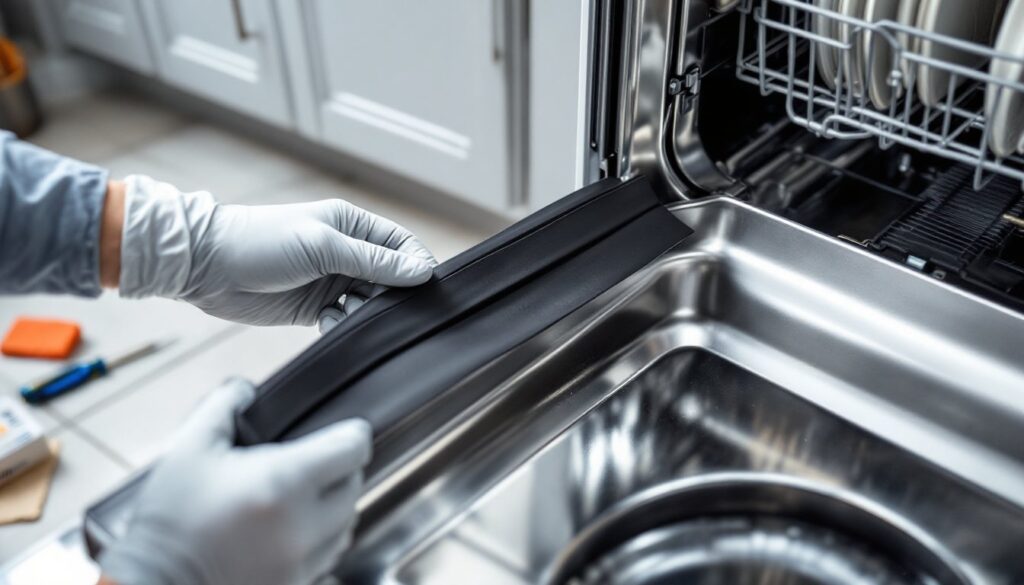
Gasket seals around the door collect crumbs and mildew. Inspect them monthly and wipe with a damp cloth. If a gasket tears or loses elasticity, cold air escapes, and the compressor runs constantly. Replacement gaskets are model-specific: order by serial number and install by loosening the retaining screws, not peeling off the old gasket.
Condenser coils (located on the back or beneath the unit) collect dust, pet hair, and lint, reducing efficiency. Clean them twice a year with a coil brush or vacuum attachment. Unplug the fridge first for safety. If coils are underneath, you may need to remove a front grille panel.
Defrost the freezer if frost buildup exceeds 1/4 inch. Manual-defrost models require this more often: frost-free models do it automatically but still benefit from an annual emptying and wipe-down. Turn off the unit, remove food, place towels on the floor, and let the ice melt. Speed it up with bowls of hot water inside the freezer, but never chip ice with knives or metal tools, you’ll puncture the liner.
Interior spills should be cleaned immediately. Remove shelves and bins, wash in warm soapy water, and dry completely before reinstalling. A box of baking soda on a shelf absorbs odors: replace it every three months. For persistent smells, wipe interior walls with a solution of one tablespoon baking soda per quart of warm water.
Resources like kitchen organization guides and appliance maintenance reviews offer additional tips for optimizing performance and longevity.
Conclusion
A white bottom freezer refrigerator delivers timeless style and practical ergonomics that work across kitchen types and budgets. Prioritize energy efficiency, smart interior layout, and proper installation clearances. With consistent maintenance, cleaning coils, checking gaskets, and managing temperature settings, these appliances can run efficiently for over a decade. Choose based on your actual storage needs and kitchen dimensions, not just brand names or flashy features, and you’ll have a reliable workhorse that keeps food fresh and kitchens bright.